Что такое соединители от волокна к волокну? Типы, приложения и руководство по выбору

2025-10-11

0.jpg

Оптимизация сниппета

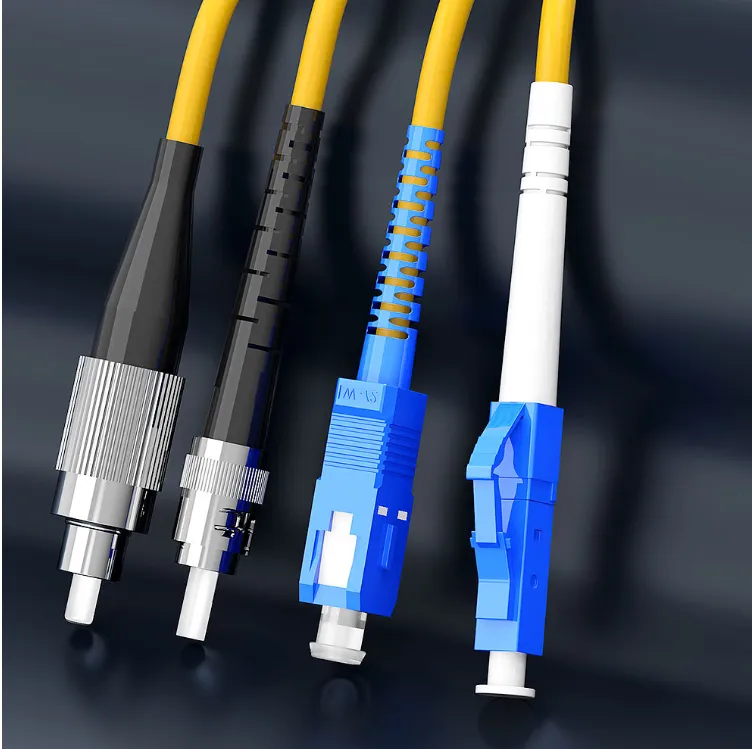
Соединитель от волокна к волокну, также известный как соединитель кабеля или соединение волокна, представляет собой устройство, используемое для постоянного или временного соединения оптических волокон для обеспечения эффективной передачи оптических сигналов. Он использует высокоточный наконечник и выравнивающую втулку для плотного выравнивания торцевых поверхностей двух оптических волокон, минимизируя потери оптического сигнала. Общие типы включают LC, SC и MPO / MTP и широко используются в телекоммуникациях, центрах обработки данных и корпоративных сетях.


1. Основная роль волоконно-оптических разъемов

Волоконно-оптические разъемы являются важными компонентами оптических систем связи. Они обеспечивают быстрый, повторяемый и свободный от соединения метод подключения и отключения волоконно-оптических линий связи. Основная цель разъема - обеспечить точное выравнивание сердечников волокна, что приводит к низким потерям при вставке и высоким потерям при возврате, обеспечивая высококачественную передачу оптического сигнала.

2. Типы основного волоконно-оптического разъема

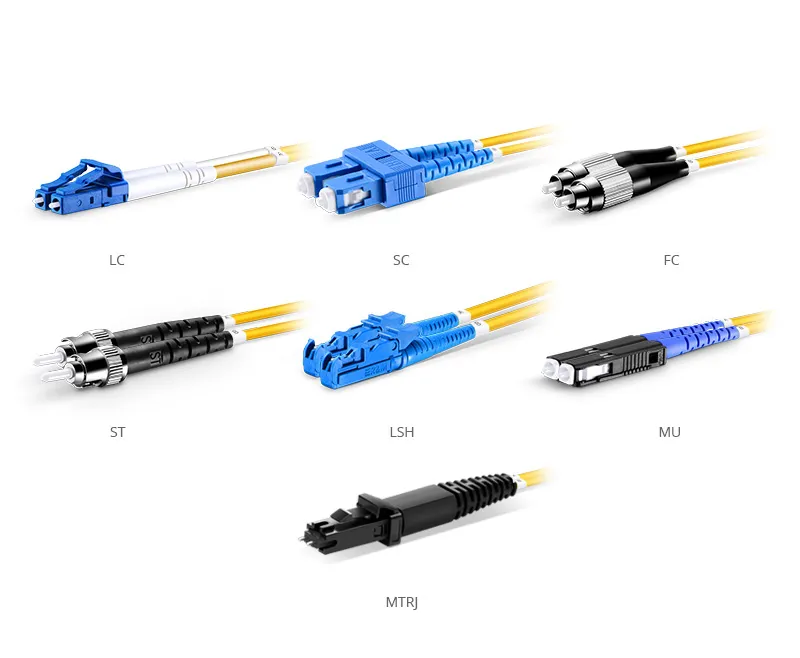
На рынке представлено около сотни типов волоконно-оптических разъемов, но наиболее распространенными и широко используемыми являются в основном следующие:

Connector TypeKey FeaturesFerrule sizeTypical application scenarios
LC (разъем Lucent)Малый форм-фактор (SFF), механизм защелки1,25 ммДата-центр, патч-панель высокой плотности, трансивер SFP / SFP +
SC (абонентский коннектор)Механизм Push-Pull, отличная производительность2,5 ммТелекоммуникационные сети, пассивные оптические сети (PON), двухточечные соединения
ST (Прямой кончик)

Штыковое соединение, подпружиненный

2,5 ммРанние многорежимные приложения, корпоративные сети и военные приложения
MPO / MTP (многоволоконный Push On)Мульти-волокно (от 4 до 144 сердечников), дизайн высокой плотностиН / ДЦентры обработки данных сверхвысокой плотности, параллельная оптическая передача 40G / 100G / 400G


20240718102421cvzawn.jpg


3. Тип полировки разъема

Покрытие торца волоконно-оптических разъемов является ключевым фактором, влияющим на производительность, и в основном делится на три категории:

  • ПК (физический контакт): торцевая поверхность слегка выпуклая, чтобы уменьшить воздушный зазор.
  • UPC (Ultra Physical Contact): имеет более тонкую отделку, чем у ПК, и более высокие возвратные потери (меньшее отражение сигнала).
  • APC (угловой физический контакт): торцевая поверхность полируется под углом 8 градусов. Это лучший выбор для достижения чрезвычайно низких возвращаемых потерь (> 60 дБ) и часто используется в однорежимных приложениях с чрезвычайно высокими требованиями к отражению, таких как CATV и FTTX.


4. Как выбрать правильный оптоволоконный разъем?

Выбор правильного волоконно-оптического разъема требует учета следующих факторов:

  1. Требования к плотности: В средах с высокой плотностью (например, в центрах обработки данных) предпочтительны LC (наименьший размер) и MPO / MTP (многоволоконный).
  2. Тип сети: Телекоммуникационные и PON сети часто используют полированные разъемы SC и APC.
  3. Режим волокна:
    • Одномодовый: диаметр сердечника тонкий (около 9 мкм), подходит для передачи на большие расстояния, обычно с полировкой UPC или APC.
    • Многорежимный: диаметр сердечника составляет 50 мкм или 62,5 мкм, подходит для передачи на короткие расстояния, обычно с полировкой ПК или UPC.
  4. Частота подключения и разъединения: двухтактный / двухтактный дизайн LC и SC обеспечивает возможность быстрого подключения.


в заключение

Волоконно-оптические разъемы являются основой современных высокоскоростных сетей. С постоянным ростом трафика данных и увеличением плотности центров обработки данных разъемы LC и MPO / MTP становятся отраслевыми стандартами. Понимание характеристик и применений различных разъемов является ключом к проектированию, развертыванию и поддержанию эффективных оптоволоконных сетей.


Q & A

Q: Какова основная функция волоконно-оптического разъема?

A: Его основная функция заключается в прекращении концов оптических волокон и обеспечении более быстрых соединений и разъединений, чем сплайсинг, обеспечивая эффективную и точную передачу оптических сигналов между двумя оптическими волокнами.


Q: Каков основной компонент волоконно-оптического разъема? Какова его функция?

A: Основной компонент - это ферруле. Это цилиндрическая структура, которая защищает оптическое волокно и обеспечивает точное выравнивание сердечников волокна, позволяя свету проходить плавно.


Q: Каковы общие типы волоконно-оптических разъемов на рынке?

A: Общие типы разъемов включают SC (квадратный), LC (низкий профиль), ST (байонет) и MTP / MPO.


В: Почему оптоволоконные соединения требуют более высокой точности, чем кабельные соединения?

О: Поскольку оптические волокна передают световые импульсы, а не электрические сигналы, соединители должны идеально выровнять два крошечных сердечника из стеклянного или пластикового волокна, чтобы минимизировать потери оптического сигнала (вставные потери).


В: В каких приложениях обычно используются оптоволоконные разъемы?

 A: Они широко используются в телекоммуникационных коммутационных офисах, центрах обработки данных, компьютерных сетях, сетях FTTH, сетях кабельного телевидения (CATV) и различных датчиках и промышленных приложениях.


Запрос продукта

We use cookie to improve your online experience. By continuing to browse this website, you agree to our use of cookie.

Cookies

Please read our Terms and Conditions and this Policy before accessing or using our Services. If you cannot agree with this Policy or the Terms and Conditions, please do not access or use our Services. If you are located in a jurisdiction outside the European Economic Area, by using our Services, you accept the Terms and Conditions and accept our privacy practices described in this Policy.
We may modify this Policy at any time, without prior notice, and changes may apply to any Personal Information we already hold about you, as well as any new Personal Information collected after the Policy is modified. If we make changes, we will notify you by revising the date at the top of this Policy. We will provide you with advanced notice if we make any material changes to how we collect, use or disclose your Personal Information that impact your rights under this Policy. If you are located in a jurisdiction other than the European Economic Area, the United Kingdom or Switzerland (collectively “European Countries”), your continued access or use of our Services after receiving the notice of changes, constitutes your acknowledgement that you accept the updated Policy. In addition, we may provide you with real time disclosures or additional information about the Personal Information handling practices of specific parts of our Services. Such notices may supplement this Policy or provide you with additional choices about how we process your Personal Information.


Cookies

Cookies are small text files stored on your device when you access most Websites on the internet or open certain emails. Among other things, Cookies allow a Website to recognize your device and remember if you've been to the Website before. Examples of information collected by Cookies include your browser type and the address of the Website from which you arrived at our Website as well as IP address and clickstream behavior (that is the pages you view and the links you click).We use the term cookie to refer to Cookies and technologies that perform a similar function to Cookies (e.g., tags, pixels, web beacons, etc.). Cookies can be read by the originating Website on each subsequent visit and by any other Website that recognizes the cookie. The Website uses Cookies in order to make the Website easier to use, to support a better user experience, including the provision of information and functionality to you, as well as to provide us with information about how the Website is used so that we can make sure it is as up to date, relevant, and error free as we can. Cookies on the Website We use Cookies to personalize your experience when you visit the Site, uniquely identify your computer for security purposes, and enable us and our third-party service providers to serve ads on our behalf across the internet.

We classify Cookies in the following categories:
 ●  Strictly Necessary Cookies
 ●  Performance Cookies
 ●  Functional Cookies
 ●  Targeting Cookies


Cookie List
A cookie is a small piece of data (text file) that a website – when visited by a user – asks your browser to store on your device in order to remember information about you, such as your language preference or login information. Those cookies are set by us and called first-party cookies. We also use third-party cookies – which are cookies from a domain different than the domain of the website you are visiting – for our advertising and marketing efforts. More specifically, we use cookies and other tracking technologies for the following purposes:

Strictly Necessary Cookies
These cookies are necessary for the website to function and cannot be switched off in our systems. They are usually only set in response to actions made by you which amount to a request for services, such as setting your privacy preferences, logging in or filling in forms. You can set your browser to block or alert you about these cookies, but some parts of the site will not then work. These cookies do not store any personally identifiable information.

Functional Cookies
These cookies enable the website to provide enhanced functionality and personalisation. They may be set by us or by third party providers whose services we have added to our pages. If you do not allow these cookies then some or all of these services may not function properly.

Performance Cookies
These cookies allow us to count visits and traffic sources so we can measure and improve the performance of our site. They help us to know which pages are the most and least popular and see how visitors move around the site. All information these cookies collect is aggregated and therefore anonymous. If you do not allow these cookies we will not know when you have visited our site, and will not be able to monitor its performance.

Targeting Cookies
These cookies may be set through our site by our advertising partners. They may be used by those companies to build a profile of your interests and show you relevant adverts on other sites. They do not store directly personal information, but are based on uniquely identifying your browser and internet device. If you do not allow these cookies, you will experience less targeted advertising.

How To Turn Off Cookies
You can choose to restrict or block Cookies through your browser settings at any time. Please note that certain Cookies may be set as soon as you visit the Website, but you can remove them using your browser settings. However, please be aware that restricting or blocking Cookies set on the Website may impact the functionality or performance of the Website or prevent you from using certain services provided through the Website. It will also affect our ability to update the Website to cater for user preferences and improve performance. Cookies within Mobile Applications

We only use Strictly Necessary Cookies on our mobile applications. These Cookies are critical to the functionality of our applications, so if you block or delete these Cookies you may not be able to use the application. These Cookies are not shared with any other application on your mobile device. We never use the Cookies from the mobile application to store personal information about you.

If you have questions or concerns regarding any information in this Privacy Policy, please contact us by email at . You can also contact us via our customer service at our Site.