Fiber - Fiber Konnektörler nelerdir? Tipler, Uygulamalar ve Seçim Kılavuzu

2025-10-11

0.jpg

Snippet Optimizasyonu

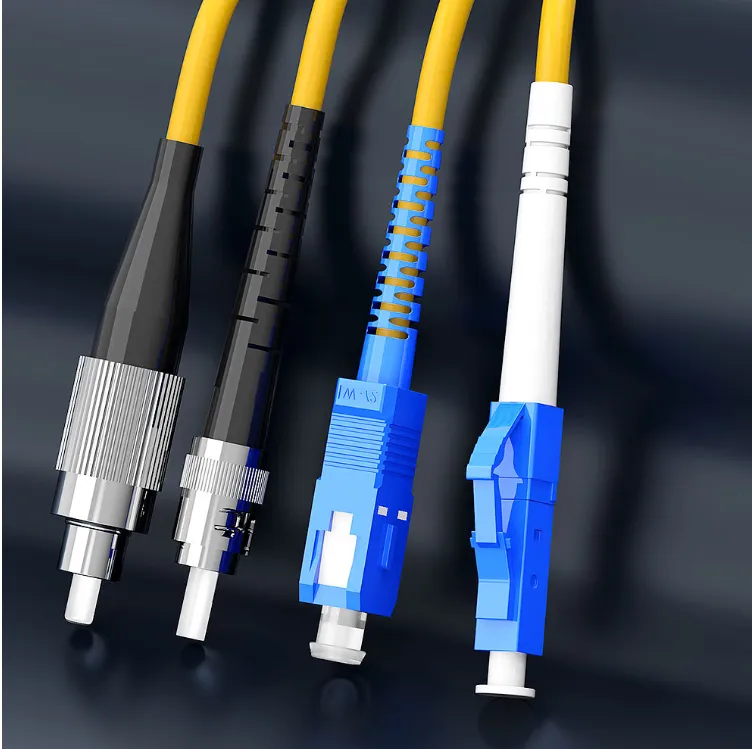
Kablo konektörü veya fiber ek yeri olarak da bilinen bir fiber-fiber konektörü, optik sinyallerin verimli bir şekilde iletilmesini sağlamak için optik lifleri kalıcı veya geçici olarak bağlamak için kullanılan bir cihazdır. İki optik lifin uç yüzlerini sıkıca hizalamak ve optik sinyal kaybını en aza indirmek için yüksek hassasiyetli bir yüksük ve hizalama manşonu kullanır. Yaygın türler arasında LC, SC ve MPO / MTP bulunur ve telekomünikasyonda, veri merkezlerinde ve kurumsal ağlarda yaygın olarak kullanılır.


1. Fiber optik konektörlerin temel rolü

Fiber optik konektörler, optik iletişim sistemlerindeki temel bileşenlerdir. Fiber optik bağlantıların bağlanması ve bağlantısının kesilmesi için hızlı, tekrarlanabilir ve ek yeri olmayan bir yöntem sağlarlar. Konektörün birincil amacı, fiber çekirdeklerin hassas şekilde hizalanmasını sağlamak, bu da düşük ekleme kaybı ve yüksek geri dönüş kaybı ile sonuçlanarak yüksek kaliteli optik sinyal iletimini sağlamaktır.

2. Ana fiber optik konektör türleri

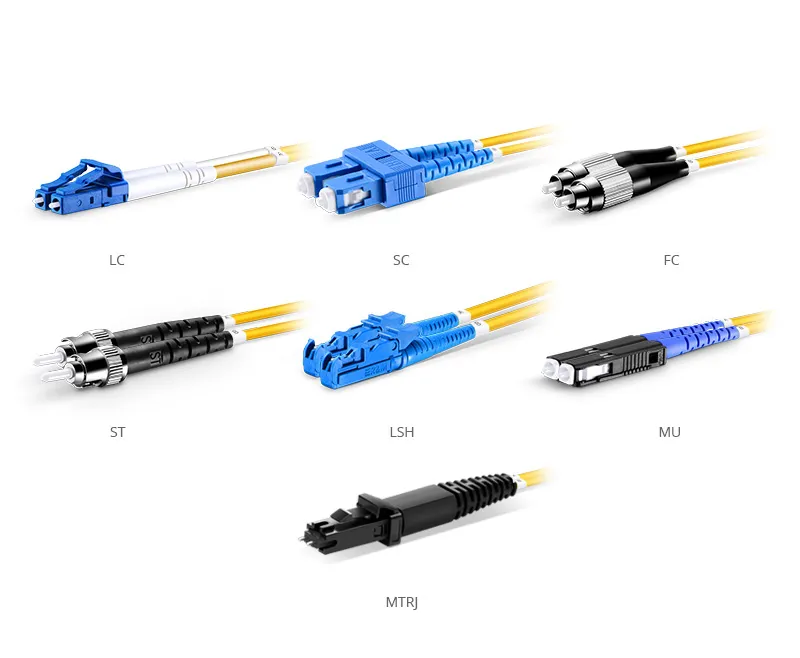
Piyasada yaklaşık yüz tür fiber optik konektör vardır, ancak en yaygın ve yaygın olarak kullanılanlar esas olarak aşağıdakilerdir:

Connector TypeKey FeaturesFerrule sizeTypical application scenarios
LC (Lucent Bağlayıcı)Küçük Form Faktörü (SFF), Mandal mekanizması1,25 mmVeri merkezi, yüksek yoğunluklu yama paneli, SFP / SFP + alıcı-verici
SC (Abone Bağlayıcısı)Push-Pull mekanizması, mükemmel performans2,5 mmTelekomünikasyon ağları, pasif optik ağlar (PON), noktadan noktaya bağlantılar
ST (Düz Uç)

Süngü bağlantısı, yay yüklü

2,5 mmErken çoklu mod uygulamaları, kurumsal ağlar ve askeri uygulamalar
MPO / MTP (Çoklu fiber Push On)Çok lifli (4 ila 144 çekirdek), yüksek yoğunluklu tasarımN / AUltra yüksek yoğunluklu veri merkezleri, 40G / 100G / 400G paralel optik iletim


20240718102421cvzawn.jpg


3. Bağlayıcı cila tipi

Fiber optik konektörlerin uç yüz cilası, performansı etkileyen önemli bir faktördür ve esas olarak üç kategoriye ayrılmıştır:

  • PC (Fiziksel Temas): Hava boşluğunu azaltmak için uç yüz hafif dışbükeydir.
  • UPC (Ultra Fiziksel Temas): PC 'den daha ince bir yüzeye ve daha yüksek geri dönüş kaybına (daha az sinyal yansıması) sahiptir.
  • APC (Açılı Fiziksel Temas): Son yüz 8 derecelik bir açıyla parlatılır. Bu, son derece düşük geri dönüş kaybı (> 60 dB) elde etmek için en iyi seçimdir ve genellikle CATV ve FTTX gibi son derece yüksek yansıma gereksinimlerine sahip tek modlu uygulamalarda kullanılır.


4. Doğru fiber optik konektörü nasıl seçerim?

Doğru fiber optik konektörü seçmek, aşağıdaki faktörleri dikkate almayı gerektirir:

  1. Yoğunluk gereksinimleri: Yüksek yoğunluklu ortamlarda (veri merkezleri gibi), LC (en küçük boyut) ve MPO / MTP (çoklu fiber) tercih edilir.
  2. Ağ Tipi: Telekom ve PON ağları genellikle SC ve APC cilalı konektörler kullanır.
  3. Fiber Modu:
    • Tek Modlu: Çekirdek çapı incedir (yaklaşık 9 um), genellikle UPC veya APC parlatma ile uzun mesafeli iletim için uygundur.
    • Çoklu Mod: Çekirdek çapı 50 um veya 62.5 um 'dir, genellikle PC veya UPC parlatma ile kısa mesafeli iletim için uygundur.
  4. Bağlantı ve bağlantı kesme sıklığı: LC ve SC 'nin push-pull / snap-on tasarımı, hızlı bağlantı yeteneği sağlar.


in sonuç

Fiber optik konektörler, modern yüksek hızlı ağların temelidir. Veri trafiğinin sürekli büyümesi ve veri merkezlerinin artan yoğunluğu ile LC ve MPO / MTP konektörleri endüstri standartları haline geliyor. Farklı konektörlerin özelliklerini ve uygulamalarını anlamak, verimli fiber optik ağların tasarlanması, dağıtılması ve sürdürülmesinin anahtarıdır.


Q & A

S: Bir fiber optik konektörün ana işlevi nedir?

C: Birincil işlevi, optik liflerin uçlarını sonlandırmak ve iki optik fiber arasında optik sinyallerin verimli ve doğru bir şekilde iletilmesini sağlamak için füzyon eklemeden daha hızlı bağlantı ve bağlantı kesilmelerini sağlamaktır.


S: Bir fiber optik konektörün ana bileşeni nedir? İşlevi nedir?

C: Çekirdek bileşen yüksüktür. Optik lifi sabitleyen ve fiber çekirdeklerin hassas şekilde hizalanmasını sağlayan ve ışığın sorunsuz geçmesini sağlayan silindirik bir yapıdır.


S: Piyasadaki yaygın fiber optik konektör türleri nelerdir?

A: Yaygın bağlayıcı türleri arasında SC (kare), LC (düşük profil), ST (bayonet) ve MTP / MPO bulunur.


S: Fiber optik bağlantılar neden kablo bağlantılarından daha yüksek hassasiyet gerektirir?

C: Optik lifler elektrik sinyalleri yerine ışık darbeleri ilettiğinden, konektörler optik sinyal kaybını (yerleştirme kaybı) en aza indirmek için iki küçük cam veya plastik fiber çekirdeği mükemmel bir şekilde hizalamalıdır.


S: Fiber optik konektörler hangi uygulamalarda yaygın olarak kullanılmaktadır?

 C: Telekomünikasyon anahtarlama ofislerinde, veri merkezlerinde, bilgisayar ağlarında, fiber-to-the-home (FTTH), kablolu televizyon (CATV) ağlarında ve çeşitli sensörlerde ve endüstriyel uygulamalarda yaygın olarak kullanılırlar.


Ürün Sorgusu

We use cookie to improve your online experience. By continuing to browse this website, you agree to our use of cookie.

Cookies

Please read our Terms and Conditions and this Policy before accessing or using our Services. If you cannot agree with this Policy or the Terms and Conditions, please do not access or use our Services. If you are located in a jurisdiction outside the European Economic Area, by using our Services, you accept the Terms and Conditions and accept our privacy practices described in this Policy.
We may modify this Policy at any time, without prior notice, and changes may apply to any Personal Information we already hold about you, as well as any new Personal Information collected after the Policy is modified. If we make changes, we will notify you by revising the date at the top of this Policy. We will provide you with advanced notice if we make any material changes to how we collect, use or disclose your Personal Information that impact your rights under this Policy. If you are located in a jurisdiction other than the European Economic Area, the United Kingdom or Switzerland (collectively “European Countries”), your continued access or use of our Services after receiving the notice of changes, constitutes your acknowledgement that you accept the updated Policy. In addition, we may provide you with real time disclosures or additional information about the Personal Information handling practices of specific parts of our Services. Such notices may supplement this Policy or provide you with additional choices about how we process your Personal Information.


Cookies

Cookies are small text files stored on your device when you access most Websites on the internet or open certain emails. Among other things, Cookies allow a Website to recognize your device and remember if you've been to the Website before. Examples of information collected by Cookies include your browser type and the address of the Website from which you arrived at our Website as well as IP address and clickstream behavior (that is the pages you view and the links you click).We use the term cookie to refer to Cookies and technologies that perform a similar function to Cookies (e.g., tags, pixels, web beacons, etc.). Cookies can be read by the originating Website on each subsequent visit and by any other Website that recognizes the cookie. The Website uses Cookies in order to make the Website easier to use, to support a better user experience, including the provision of information and functionality to you, as well as to provide us with information about how the Website is used so that we can make sure it is as up to date, relevant, and error free as we can. Cookies on the Website We use Cookies to personalize your experience when you visit the Site, uniquely identify your computer for security purposes, and enable us and our third-party service providers to serve ads on our behalf across the internet.

We classify Cookies in the following categories:
 ●  Strictly Necessary Cookies
 ●  Performance Cookies
 ●  Functional Cookies
 ●  Targeting Cookies


Cookie List
A cookie is a small piece of data (text file) that a website – when visited by a user – asks your browser to store on your device in order to remember information about you, such as your language preference or login information. Those cookies are set by us and called first-party cookies. We also use third-party cookies – which are cookies from a domain different than the domain of the website you are visiting – for our advertising and marketing efforts. More specifically, we use cookies and other tracking technologies for the following purposes:

Strictly Necessary Cookies
These cookies are necessary for the website to function and cannot be switched off in our systems. They are usually only set in response to actions made by you which amount to a request for services, such as setting your privacy preferences, logging in or filling in forms. You can set your browser to block or alert you about these cookies, but some parts of the site will not then work. These cookies do not store any personally identifiable information.

Functional Cookies
These cookies enable the website to provide enhanced functionality and personalisation. They may be set by us or by third party providers whose services we have added to our pages. If you do not allow these cookies then some or all of these services may not function properly.

Performance Cookies
These cookies allow us to count visits and traffic sources so we can measure and improve the performance of our site. They help us to know which pages are the most and least popular and see how visitors move around the site. All information these cookies collect is aggregated and therefore anonymous. If you do not allow these cookies we will not know when you have visited our site, and will not be able to monitor its performance.

Targeting Cookies
These cookies may be set through our site by our advertising partners. They may be used by those companies to build a profile of your interests and show you relevant adverts on other sites. They do not store directly personal information, but are based on uniquely identifying your browser and internet device. If you do not allow these cookies, you will experience less targeted advertising.

How To Turn Off Cookies
You can choose to restrict or block Cookies through your browser settings at any time. Please note that certain Cookies may be set as soon as you visit the Website, but you can remove them using your browser settings. However, please be aware that restricting or blocking Cookies set on the Website may impact the functionality or performance of the Website or prevent you from using certain services provided through the Website. It will also affect our ability to update the Website to cater for user preferences and improve performance. Cookies within Mobile Applications

We only use Strictly Necessary Cookies on our mobile applications. These Cookies are critical to the functionality of our applications, so if you block or delete these Cookies you may not be able to use the application. These Cookies are not shared with any other application on your mobile device. We never use the Cookies from the mobile application to store personal information about you.

If you have questions or concerns regarding any information in this Privacy Policy, please contact us by email at . You can also contact us via our customer service at our Site.