1. Is the GYTS cable suitable for direct burial without additional protection?
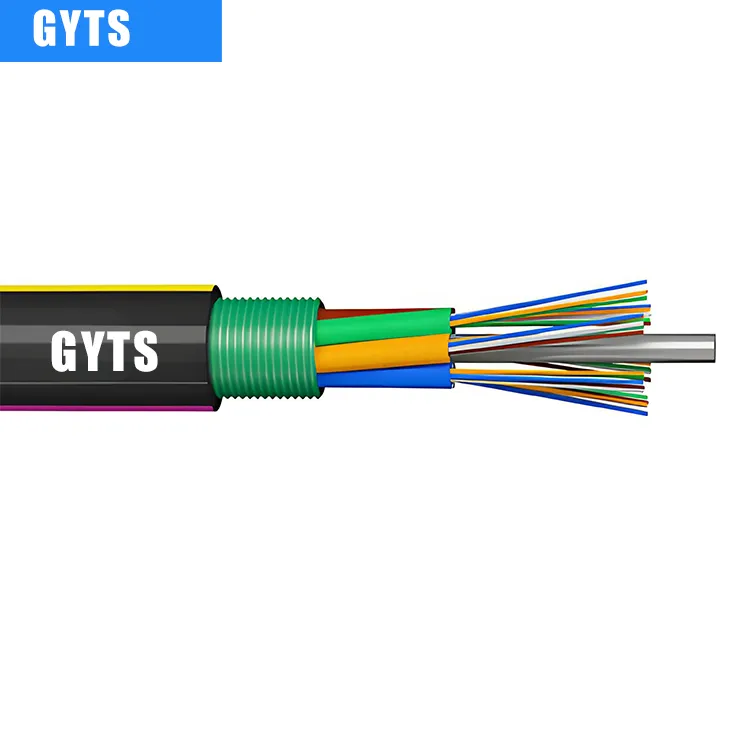
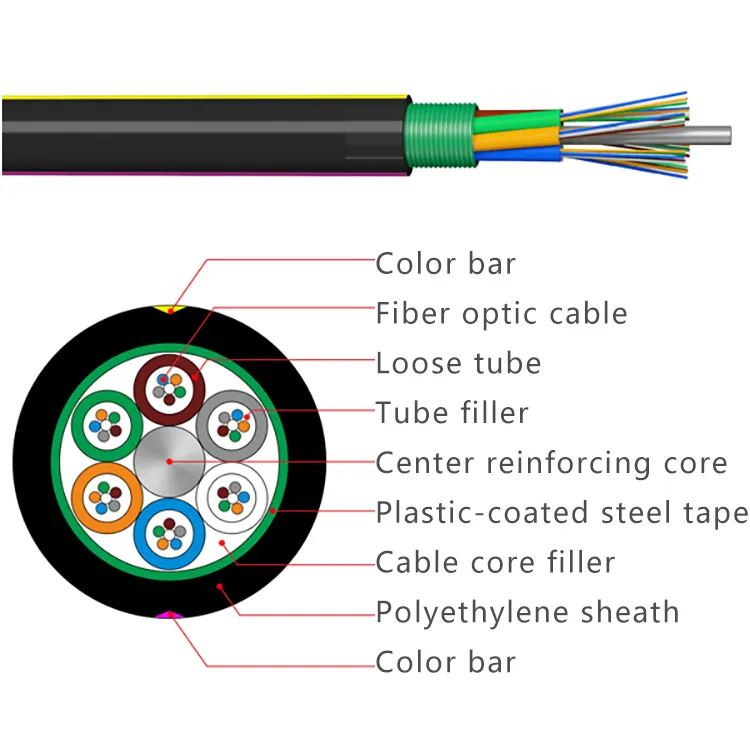
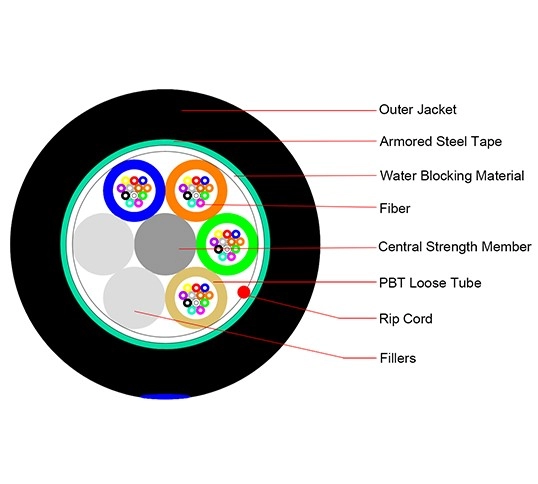
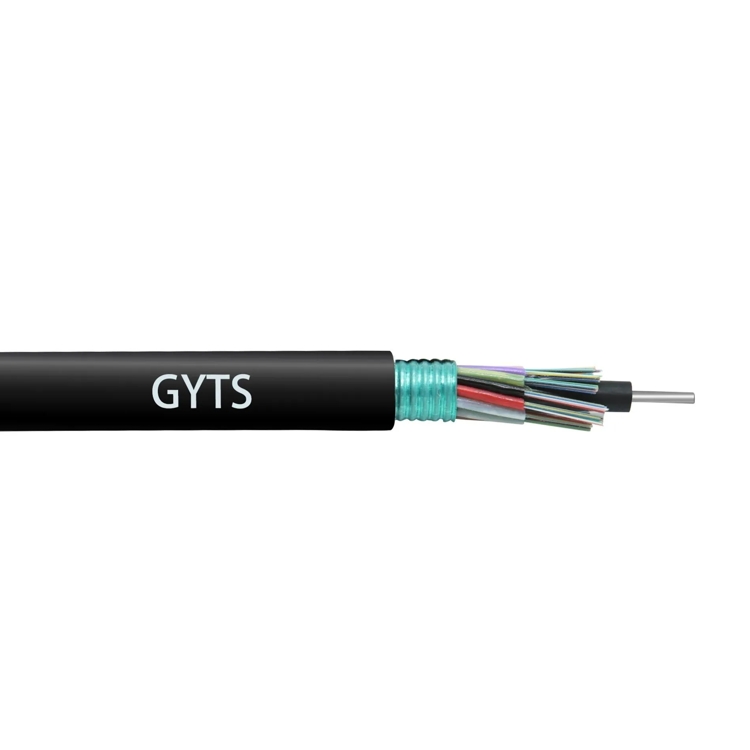
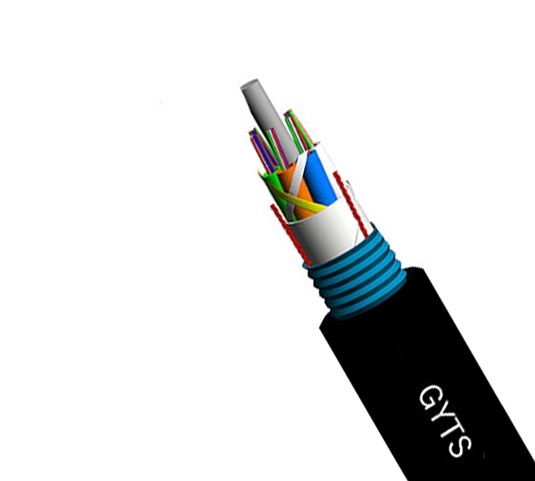
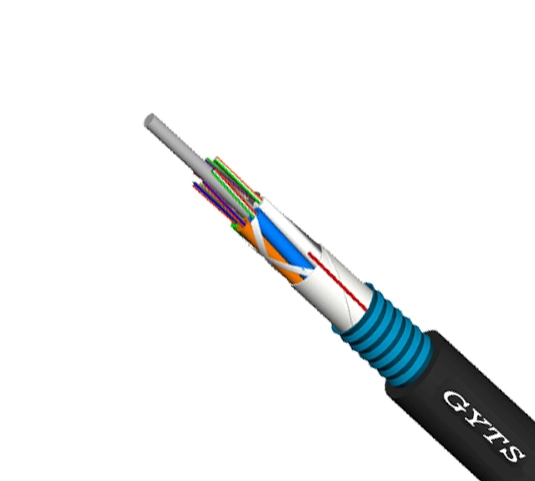
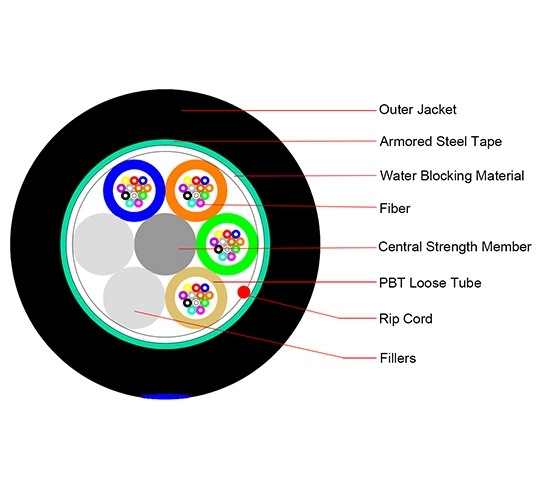
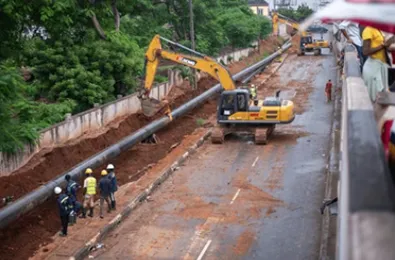
Yes. GYTS is specifically designed for direct burial applications. Its corrugated steel tape armor and polyethylene outer sheath offer excellent protection against mechanical pressure, soil moisture, and rodent damage, eliminating the need for extra conduits in many cases.
2. What’s the difference between GYTS and GYTA cables? Which one should I choose?
While both are outdoor armored cables, GYTS uses steel tape armor, making it more robust and affordable for general environments. GYTA uses aluminum tape armor, which offers better electromagnetic interference (EMI) resistance.
Choose GYTS for standard outdoor duct or buried routes, and GYTA for electrically noisy areas or near power lines.
3. Can this cable be installed in flooded or high-moisture environments?
Yes. GYTS has water-blocking gel in the loose tubes and moisture-resistant armor, making it highly reliable in wet or flood-prone underground conditions.
4. How many fibers does the GYTS cable support?
GYTS cables are available in multiple fiber counts — typically from 2 to 144 cores, using G.652D or G.655 single-mode fibers. The exact configuration can be customized based on your project requirements.
5. Is GYTS suitable for long-distance or backbone network applications?
Absolutely. GYTS combines low attenuation G.652D/G.655 fibers with excellent environmental protection, making it well-suited for backbone transmission, highway, railway, or rural broadband projects.
6. What’s the expected lifespan and maintenance of this cable?
When properly installed, GYTS cables can last over 25 years. Thanks to their durable structure, they require minimal maintenance, especially in underground deployments.


 Español
 Português
 لالعربية
 Русский
 Bahasa Indonesia
 Français
 Türkçe
 Bahasa Melayu