

 Español
 Português
 لالعربية
 Русский
 Bahasa Indonesia
 Français
 Türkçe
 Bahasa Melayu
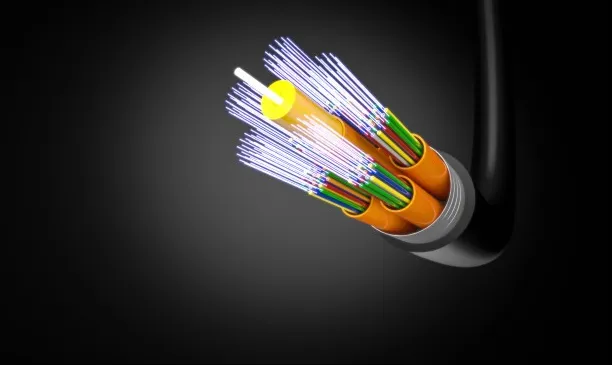
ADSS optical cable (All-Dielectric Self-Supporting Optical Cable) is widely used in power systems, high-voltage transmission lines, and other fields due to its metal-free and self-supporting characteristics. So, what exactly is the price of ADSS optical cable? This is a question without a fixed answer, as it is influenced by a variety of complex factors.
This article will provide a detailed analysis of the price structure of ADSS optical cable, the main influencing factors, and key considerations when purchasing, helping you make an informed purchasing decision.
I. ADSS Fiber Optic Cable Price Overview: Why is there no "uniform price"?
ADSS fiber optic cable prices are usually calculated **per meter (RMB/meter) or per kilometer (RMB/km)**. Due to differences in specifications, core count, span, and market supply and demand, the price range is very wide.
- Low-end products/basic specifications: May range from a few RMB to tens of RMB per meter.
- Mid-to-high-end products/complex specifications: May range from tens of RMB to hundreds of RMB per meter.
Please note: Any single price given directly is inaccurate. You need to contact a reliable supplier to obtain a real-time, accurate quote based on specific project requirements.
II. Key Factors Affecting ADSS Optical Cable Prices
The final price of ADSS optical cable is the result of a combination of various technical and market factors. The following are some of the most important determining factors:
1. Span and Tensile Strength
This is the core factor affecting the price of ADSS optical cable.
Span: refers to the distance between the suspension points of the optical cable (such as the distance between power poles or towers). The longer the span (e.g., from 100 meters to 500 meters), the higher the **tensile strength (UTS)** of the optical cable needs to withstand the tension in harsh environments such as wind loads and snow. Impact: To achieve higher tensile strength, the amount of **aramid yarn** used in optical cables will increase significantly. Aramid yarn is one of the most expensive raw materials in optical cables; therefore, the larger the span, the higher the price.
2. Core Count
The number of optical fibers contained in the optical cable.
- Impact: The core count (e.g., 12 cores, 24 cores, 48 cores, 96 cores) directly determines the amount of optical fiber, filler paste, and some buffer materials used. The more cores, the higher the price.
3. Sheath Materials and Technical Standards
The protective material of the outer layer of the optical cable determines its environmental adaptability.
- Ordinary PE (polyethylene) sheath: Lower cost, suitable for general environments.
- AT (anti-tracking) sheath: Used in high electric field intensity environments (such as high-voltage transmission lines), it can resist corona and tracking corrosion, complex manufacturing process, and higher price.
4. Brand and Quality Certification
Well-known brands usually mean more stable quality and stricter quality control. Impact: Manufacturers that have passed the stringent certifications of State Grid and telecommunications operators have more reliable raw materials and manufacturing processes, and their prices are usually higher than those of smaller or unregulated manufacturers. **5. Market Supply and Demand and Raw Material Fluctuations** **Fluctuations in the market prices of raw materials such as optical fiber, aramid yarn, and PE material directly affect the manufacturing cost of optical cables.**

III. ADSS Optical Cable Selection Guide and Precautions
When inquiring about and purchasing ADSS optical cables, focusing solely on price is far from sufficient.
You must specify the following key parameters:
| Key Parameters | Description (required with inquiry) | Impact on Price |
| Maximum Operating Tension (MOT) / Span | Longest Installation Distance in the Project (meters) | Maximum, directly determines the amount of aramid yarn used |
| Fiber Core Count | Actual Number of Transmission Channels Required (cores) | The more cores, the higher the price. Outer Sheath Type PE (Standard) or AT (Anti-tracking) AT sheaths are suitable for high-voltage environments and are more expensive. Laying Environment Voltage Voltage Level of the Line (e.g., 110kV, 220kV) Determines whether AT sheaths are necessary. Fiber Optic Type G.652D, G.655, etc. (G.652D is the mainstream) Different types have slightly different costs. |
Important Reminder: Don't be tempted by low prices alone.
ADSS optical cables are typically installed outdoors at high altitudes. If a fault occurs (such as a break), repair costs are high, and it may affect the normal operation of power or communications. If the price offered by a supplier is significantly lower than the market average, it is very likely that they have cut corners in the following areas:
- Insufficient aramid yarn: This results in the optical cable's tensile strength not meeting standards, making it prone to breakage under high winds and snow loads.
- Substandard sheath material: Using recycled materials or substandard AT sheaths, which are prone to aging and cracking under high-voltage electric fields.
- Poor fiber quality: This leads to excessive attenuation of transmission performance.
Conclusion
The price of ADSS optical cable is a "customized" price. You need to take the detailed technical parameters of your project (especially the span and number of cores) to a professional, qualified manufacturer for a quote, and request a detailed technical report and product specification sheet for comparison.


